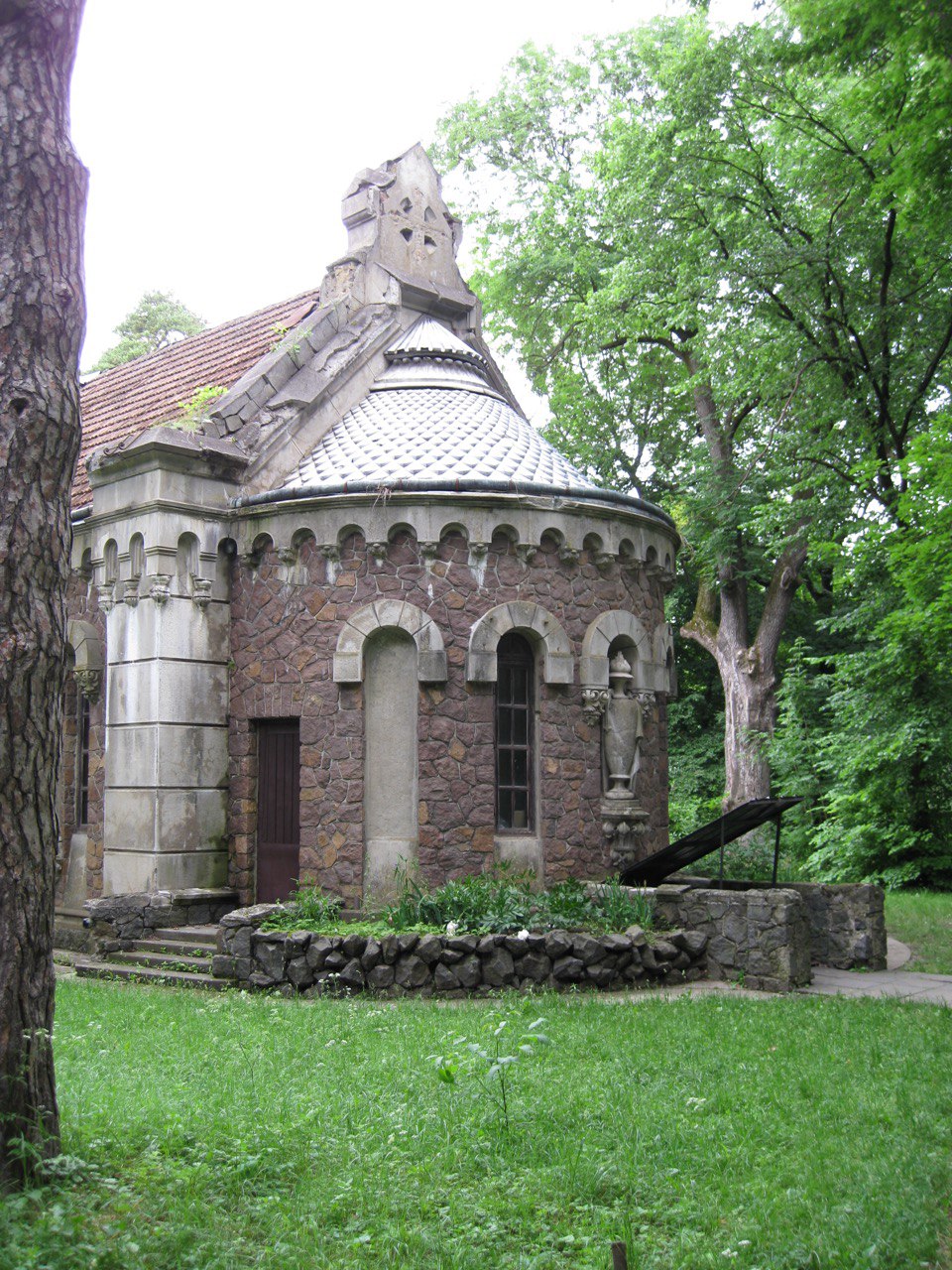
1904
Костел-мавзолей Потоцьких
Architect: Владислав Городецький
Костел-мавзолей Потоцьких у Печері — знак присутності, пам'яті та масштабу. Не як храм для великого міста, а як точка сили для місця над Південним Бугом.
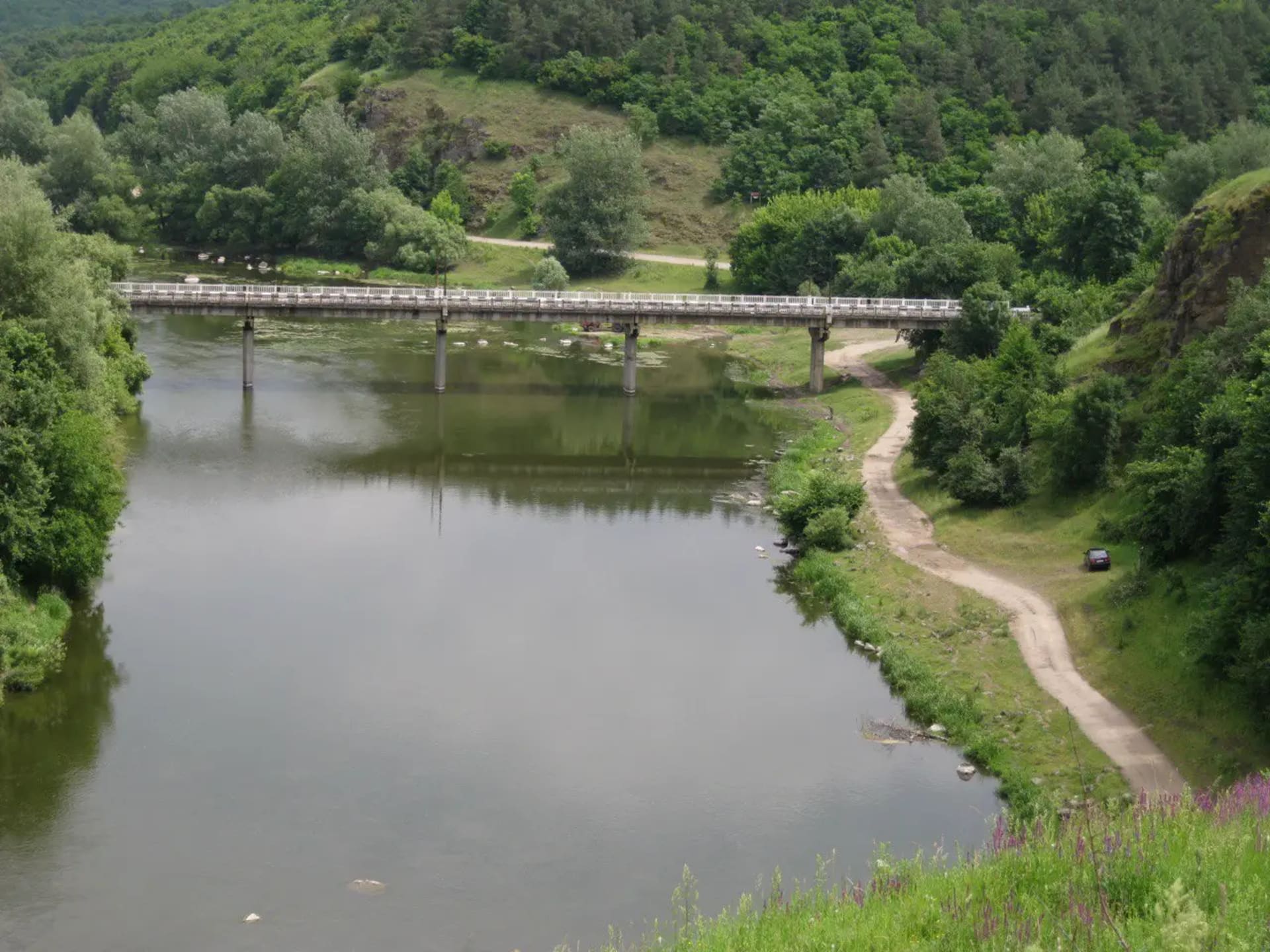
A Palimpsest of History on the Banks of the Southern Bug
A place where ancient rocks preserve the secrets of millennia, and every stone is a witness to greatness and tragedy
On the rocky banks of the Southern Bug, where the mighty river is clamped in the grip of granite cliffs, lies the unique village of Pechera. This is a place where nature is not just a backdrop to history, but its full-fledged co-author.
The very name of the village, "Pechera" ("Cave"), comes from ancient cave passages whose existence has been confirmed by archaeological excavations. These grottos in the rock served as a reliable refuge for the first inhabitants during enemy raids.
"This place is like an ancient palimpsest — an old manuscript on which, over the erased texts of the Trypillians and Turkish governors, the brilliant history of Polish magnates has been written, and over it the bloody lines of war, which today try to grow over with the greenery of the park and the noise of the river rapids."
From Precambrian granite to modern records
Traces of settlements of the Trypillian culture — one of the oldest civilizations in Europe — have been found in this area. Burial sites from the Bronze Age have also been discovered.
The first written mention of Pechera refers to it as a possession of the powerful Zbaraski magnates within the Polish–Lithuanian Commonwealth.
Under the Treaty of Buchach, Podillia passed to the Ottoman Empire. The Southern Bug River was then called Ak-su — 'white water'. This was the time when Pechera became the administrative center of a large part of Right-Bank Ukraine.
Moldavian ruler Gheorghe Duca chose Pechera as the most beautiful place in Eastern Podillia and built a fortified castle and a magnificent park here on the high bank of the Bug. After him, power passed to Hetman Yurii Khmelnytskyi, son of Bohdan Khmelnytskyi.
Pechera and Dankivka pass into the possession of the Roman Catholic bishop Ignacy Dłuski. The new owner begins construction of the estate and renovates and expands the park founded by Duca.
Pechera becomes the property of Stanisław Szczęsny Potocki. In 1800, his daughter Octavia marries Jan Niepołucena Sveykovsky — a representative of an ancient noble family.
Jan Sveykovsky begins construction of a large two-story palace. In 1825, a stone chapel is built at his expense. After his death in 1837, the estate passes to his son Sigismund, who later sells it to Konstanty Potocki.
Konstantyn Konstantynovich Potocki (1846–1909) and his wife Janina (1851–1928) transform Pechera into their main residence. Distilleries operate, the flour-milling industry exports products through Odessa port. In 1904, architect Horodetsky designs the Romanesque-style mausoleum-chapel.
After K.K. Potocki's death, the best estates, including Pechera, are inherited by Franciszek Salezy Potocki — the last lord of the Pechera estate. Based on materials from Alexander Kosholap's book 'History of Pechera'.
The estate was nationalized and the palace demolished. On its foundations a regional tuberculosis sanatorium was created, making use of the unique climate and relic park.
On the territory of the former estate there operated a Romanian concentration camp in which between 11,000 and 50,000 people were killed. The name was coined by 14-year-old prisoner Yevhenia Tsyrulnykova.
Three unique structures that have survived the centuries and still impress with their beauty and history
Architect: Владислав Городецький
Костел-мавзолей Потоцьких у Печері — знак присутності, пам'яті та масштабу. Не як храм для великого міста, а як точка сили для місця над Південним Бугом.
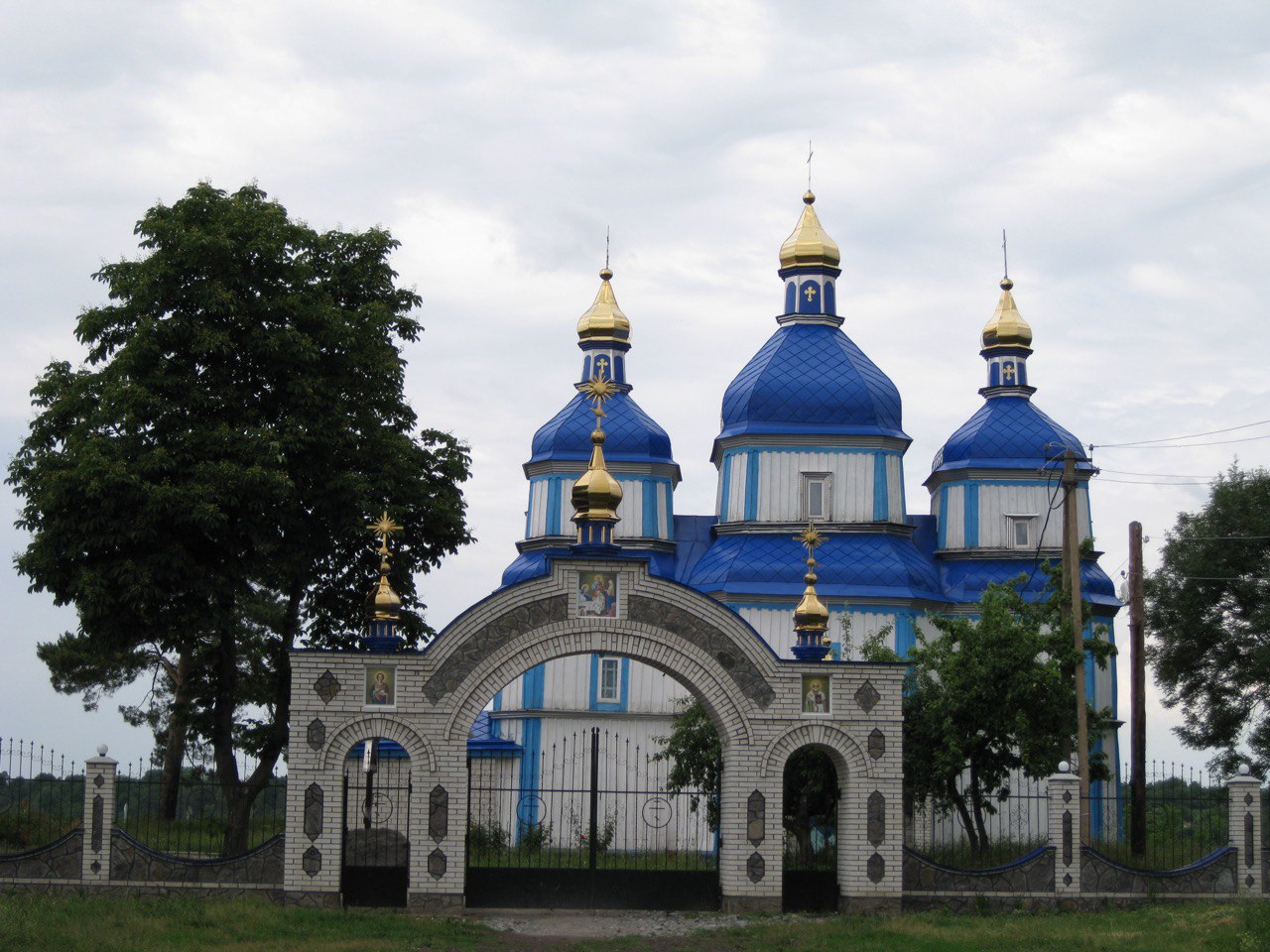
Architect: Народні майстри
Дерев'яна церква на горі над Південним Бугом, збудована на місці замку воєводи Дуки.
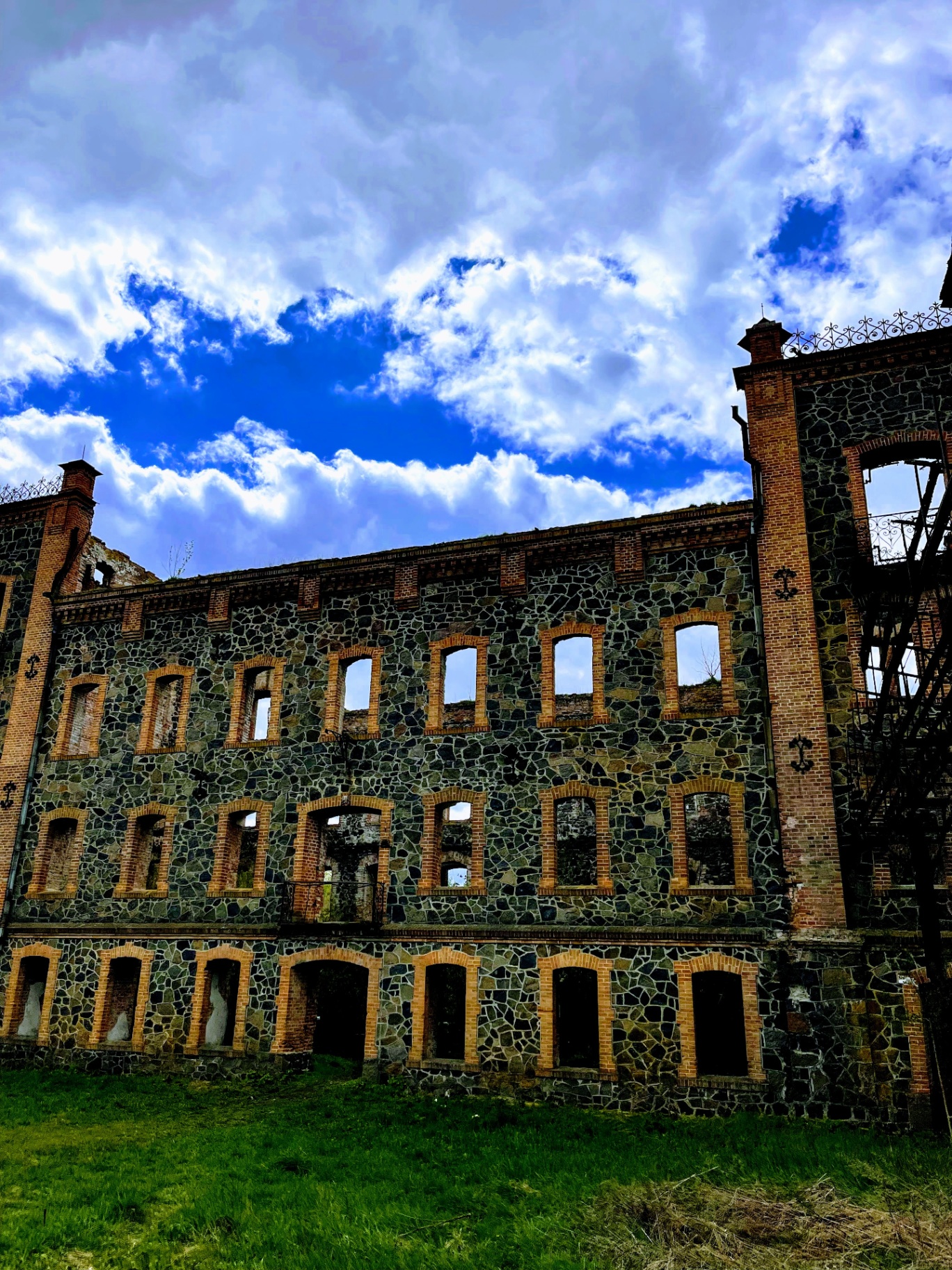
Architect: Ян Гойріх
Розташований між Печерою та Сокільцем. Збудований випускником Петербурзької Академії Мистецтв, міг перемолоти до 50 тонн зерна за добу.
With the beginning of World War II and the Romanian occupation, the territory of the former estate was transformed into one of the most brutal concentration camps in Transnistria.
The name "Dead Loop" was coined by 14-year-old prisoner Yevhenia Tsyrulnykova. It accurately conveyed the feeling of total hopelessness: the camp, located on the border between the Romanian and German occupation zones, was surrounded by the river and a stone wall, from which it was virtually impossible to escape alive.
From collective farm to resort: how the village has changed over the last century
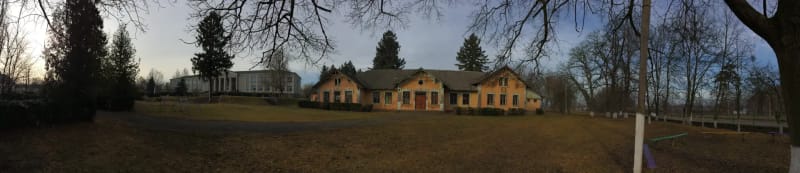
The history of education in Pechera begins in 1862. The village has gone through several stages of school development — from a Polish school to a modern institution in a new building.
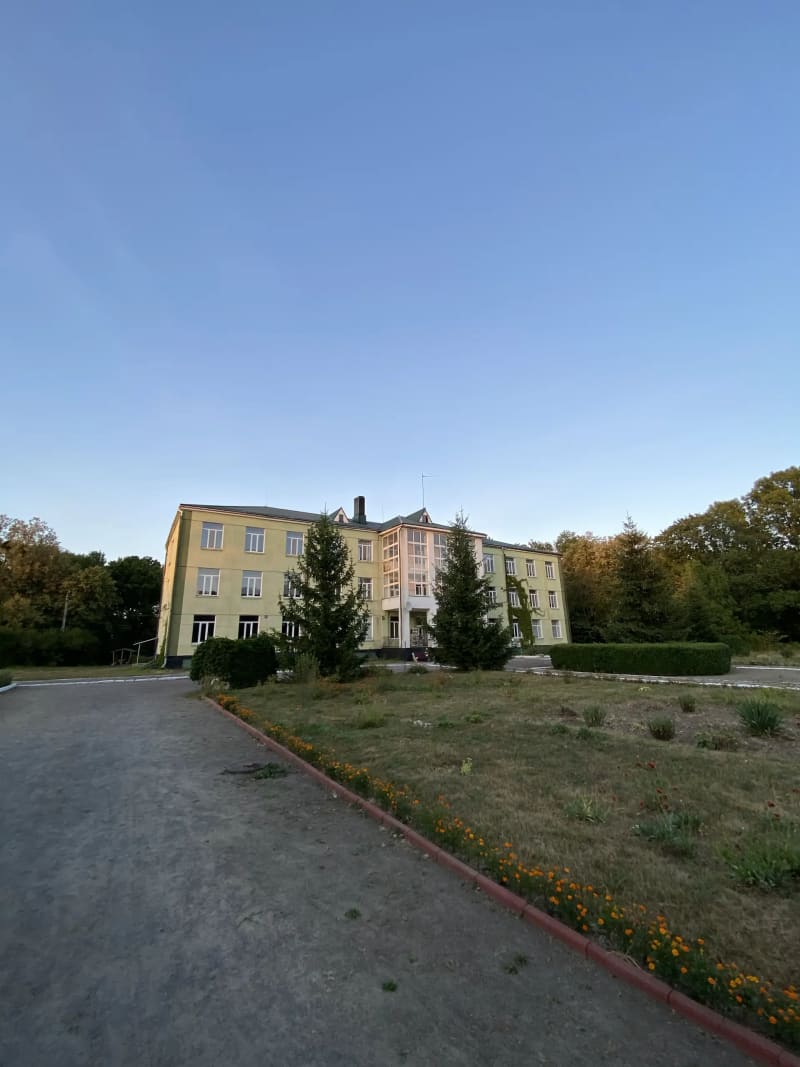
The unique microclimate of Pechera — ideal for treating tuberculosis — was noted by climatologists as early as the 19th century. In 1952 a Republican bone and tuberculosis sanatorium was opened.
Today the village positions itself primarily as a resort and recreational destination, with a sanatorium, holiday home and private guesthouses.
Today Pechera is not only a place of memory of the past, but also a living destination that attracts visitors with its unique nature and new attractions.
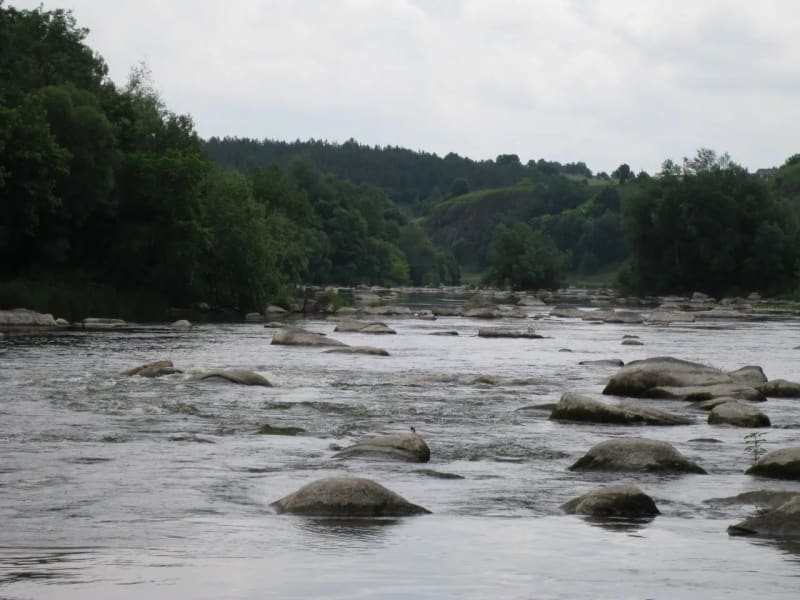
Unique natural formations on the Southern Bug, a popular spot for rafting and water slalom.
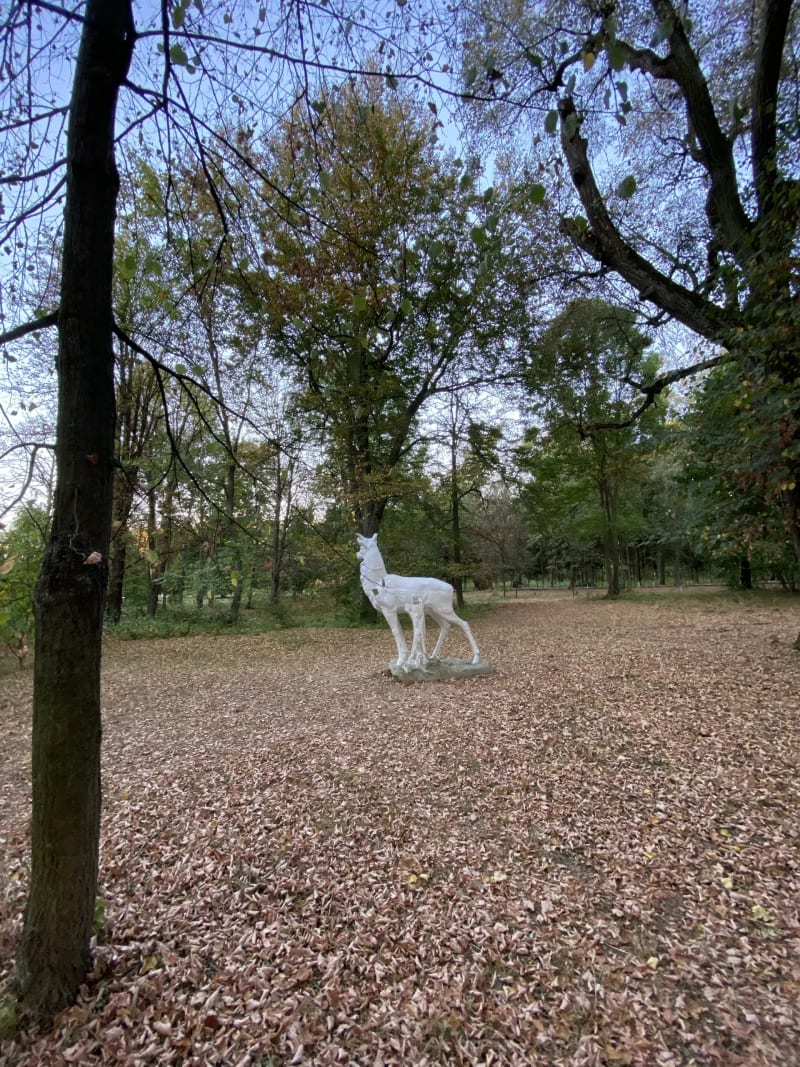
A monument of landscape gardening of national significance (19 ha). 250-year-old lindens, 161 stone steps to the river.
Opened 18 May 2025
Opened by the NGO "Dunstan Crafts Center" in an authentic dry-stone cellar. The exhibition features over 130 mineral specimens from around the world.
A folk-rock festival by the historic Potocki mill — the biggest cultural event of the year in Pechera
The "Mlynomaniya" festival was founded on 7 July 2007 and since then has gathered every year thousands of fans of folk-rock, traditional crafts and outdoor recreation on the picturesque bank of the Southern Bug by the historic Potocki mill.
Official festival websiteOver 100 photos of architectural landmarks, scenic nature and rural life
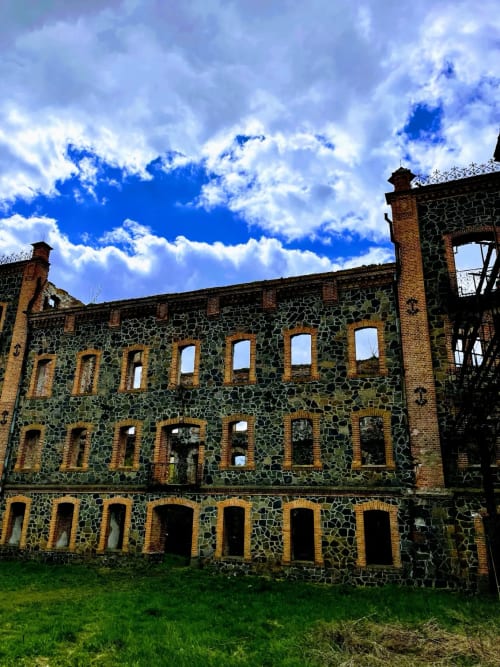
Historic ruins of the 1892 Potocki water mill in Pechera. Architecture, history, Vinnytsia region.
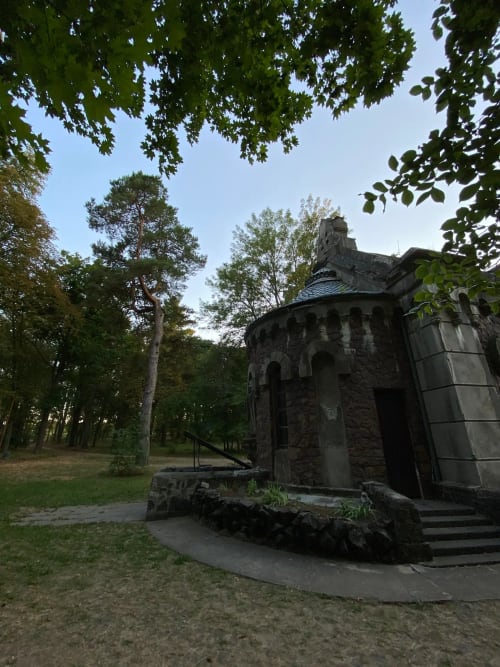
Historic Potocki mausoleum, an architectural monument from 1904 in Pechera.
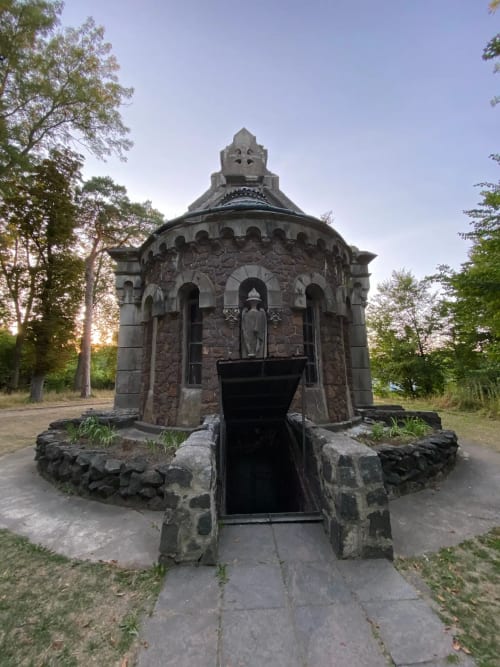
Historic Neo-Gothic Potocki mausoleum in Pechera. Architectural gem of Vinnytsia region.
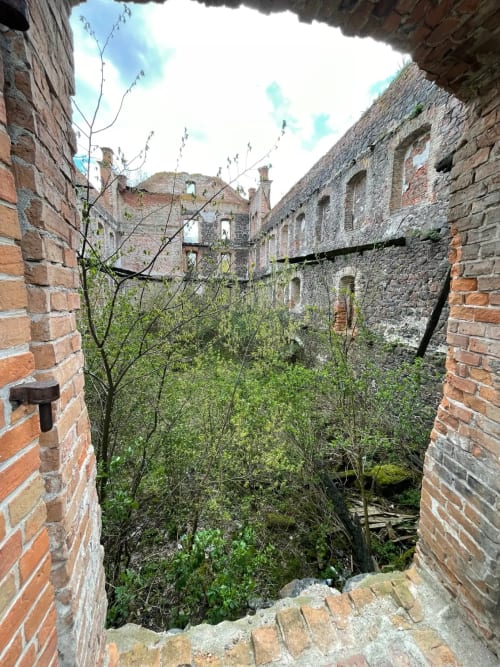
Remains of the Potocki water mill (1892) in Pechera, Vinnytsia region. Historical architecture.
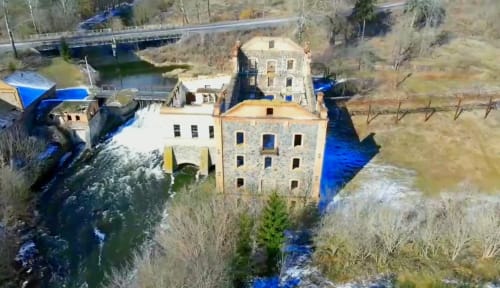
Remains of the historic Potocki water mill on the Southern Bug River, from a bird's-eye view.
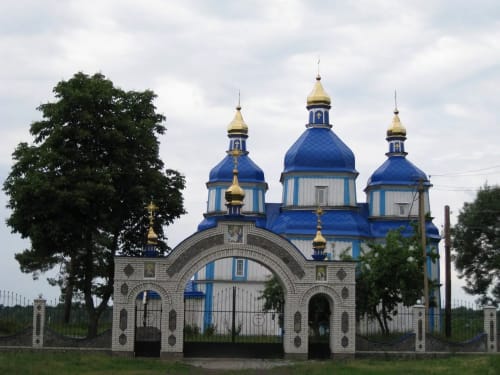
Historic 18th-century wooden Church of the Nativity of the Theotokos in Pechera.
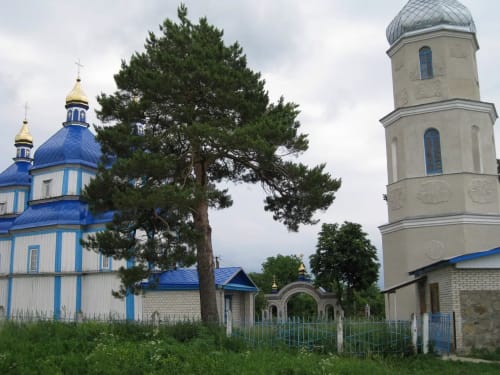
Historic wooden Church of the Nativity of the Blessed Virgin Mary and bell tower in Pechera, Vinnytsia region.
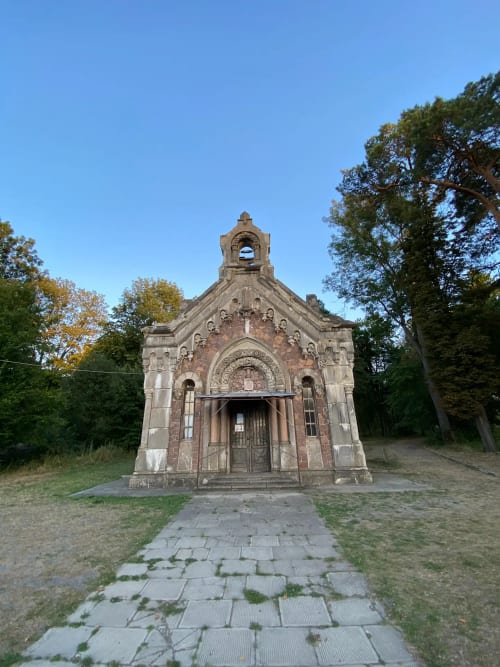
Historic Potocki mausoleum in Pechera. Neo-Gothic architecture, surrounded by greenery.
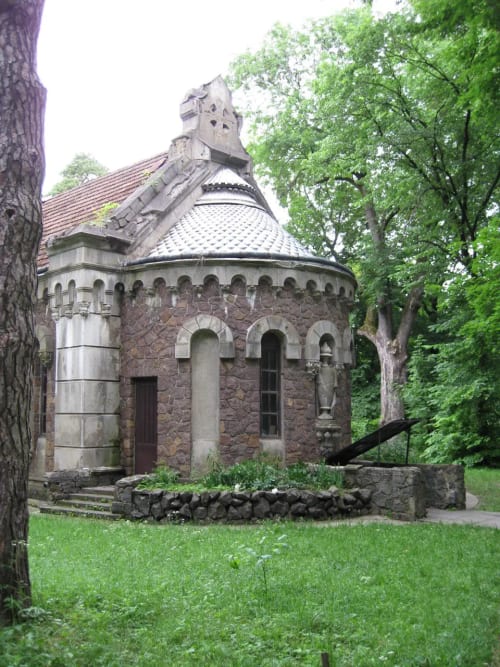
Historic Potocki mausoleum-church from 1904 in Pechera. Neo-Gothic architectural monument.
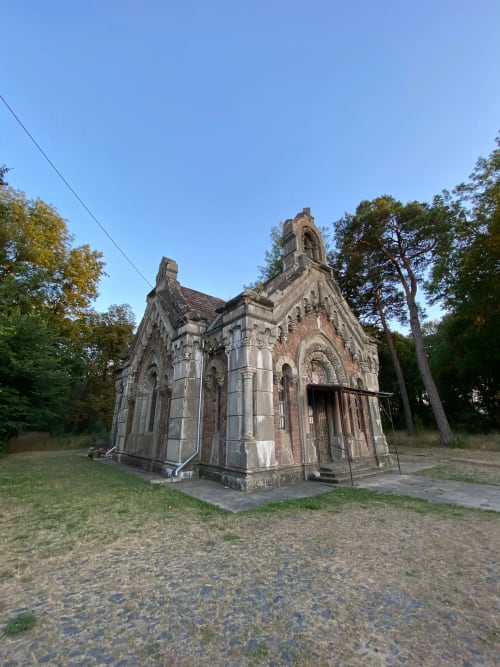
Historic Potocki mausoleum from 1904 in Pechera village. Architectural landmark.
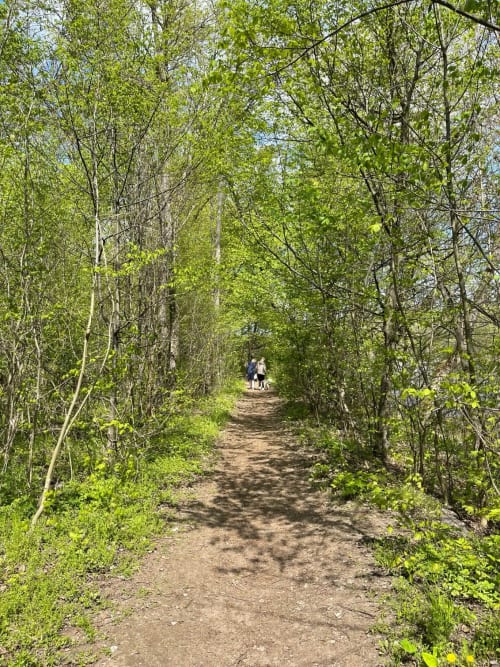
A spring walk through Pechera Park, a picturesque path amidst lush greenery.
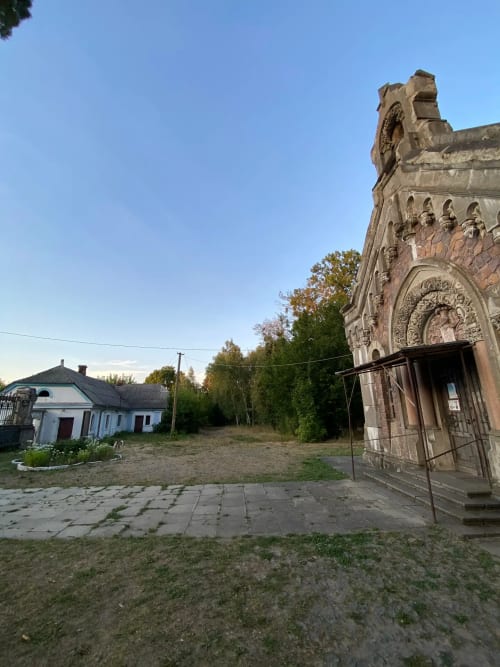
Historic Potocki Mausoleum Church from 1904 in Pechera village. Neo-Gothic style.
From the 17th-century Ottoman castle to 20th-century monuments — explore the layered history of the village.
Tulchyn district, Vinnytsia region
48°51′18″ N 28°43′12″ E
A village that has lived through splendor and tragedy still finds the strength to renew itself, relying on the timeless beauty of nature and the richness of its complex heritage.
Open in Google MapsInteresting fact: Stones from the Ottoman castle of Gheorghe Duca (1682) were used to build the Orthodox church in 1764 — the past literally became the foundation for the future.
We are collecting archival photographs of the village: the collective farm, the incubator station, the hospital, the school, holidays and everyday life. Help preserve its history!
photo@pechera.onlineSend your photos with a brief description: year, place, and who is in the picture


